By Anthony Richard Hulula | Director/Project Leader
It takes all of us to make a difference. Together, we bring life, dignity, and opportunity to our communities.
Dear GlobalGiving Donors and Friends of The NGAO Foundation,
Water is life. It sustains families, protects health, supports education, and allows communities to grow and thrive. Yet access to clean and safe water remains a daily challenge for many vulnerable communities. Where water is scarce or unsafe, children are exposed to preventable illnesses, families face additional hardships, and opportunities for development are limited.
At The NGAO Foundation, we believe that access to safe water, proper sanitation, and good hygiene should not be a privilege enjoyed by a few, but an opportunity available to everyone. We also believe that lasting change happens when people come together, share responsibility, and work towards a common goal.
It takes everyone to act and make a difference, and together, we can bring life to everyone in the community. Through your generosity, you have helped us do exactly that.
We are deeply grateful to you, our GlobalGiving donors, for choosing to stand with The NGAO Foundation and supporting our WASH initiatives. Your contributions are helping us strengthen access to treated drinking water, develop community water infrastructure, promote menstrual health and hygiene, educate children, and bring communities together around a shared commitment to healthier living.
This report highlights the progress made between June and September 2026. It also shares the challenges we continue to face, the opportunities ahead, and the difference your support is helping us make.
1. Executive Summary: Working Together for Water and Life
During the June–September 2026 reporting period, The NGAO Foundation continued advancing its commitment to improving access to clean and safe drinking water, promoting sanitation and hygiene, and strengthening community health and participation.
Our work focused on three key areas:
These activities reflect our understanding that water is more than a basic resource. It is a foundation for health, dignity, education, food security, and sustainable community development.
While the quarter recorded meaningful progress, important needs remain. Your continued partnership will help us move from awareness to sustained behaviour change, and from water infrastructure planning to the expansion of water access within the community.
2. Water Refill and Distribution: Promoting Safe Water
Access to safe drinking water is central to our WASH mission. During the reporting period, the foundation continued its water refill and distribution activities, providing treated water to customers while seeking to increase public awareness of water quality and safety.
Water Distribution Performance
Month
Distribution Volume
June 2026
225
July 2026
233
August 2026
257
September 2026
212
Total
927
Note: The distribution figures are presented in the units recorded by the program.
The figures show an increase from June through August, followed by a decline in September. This pattern highlights the importance of strengthening customer awareness, retention, outreach, and communication about water treatment standards.
Challenges Encountered
The increasing number of water vending stations across Nairobi has intensified competition. Some customers prioritize proximity and convenience when choosing where to refill their water containers, potentially overlooking the importance of treatment processes and quality assurance.
For us, this challenge reinforces an important lesson: providing treated water must go hand in hand with helping people understand why water quality matters.
Way Forward
The foundation plans to introduce a renewed marketing and public awareness strategy using professionally designed, informative flyers. These will explain:
We will distribute the materials to existing and potential customers, strengthen customer engagement, and monitor monthly distribution trends to assess the effectiveness of the strategy.
Our goal is not simply to distribute water, but to encourage informed choices and build lasting confidence in safe drinking water.
3. Oloishorua Solar Borehole and Piping Project: Bringing Water Closer to the Community
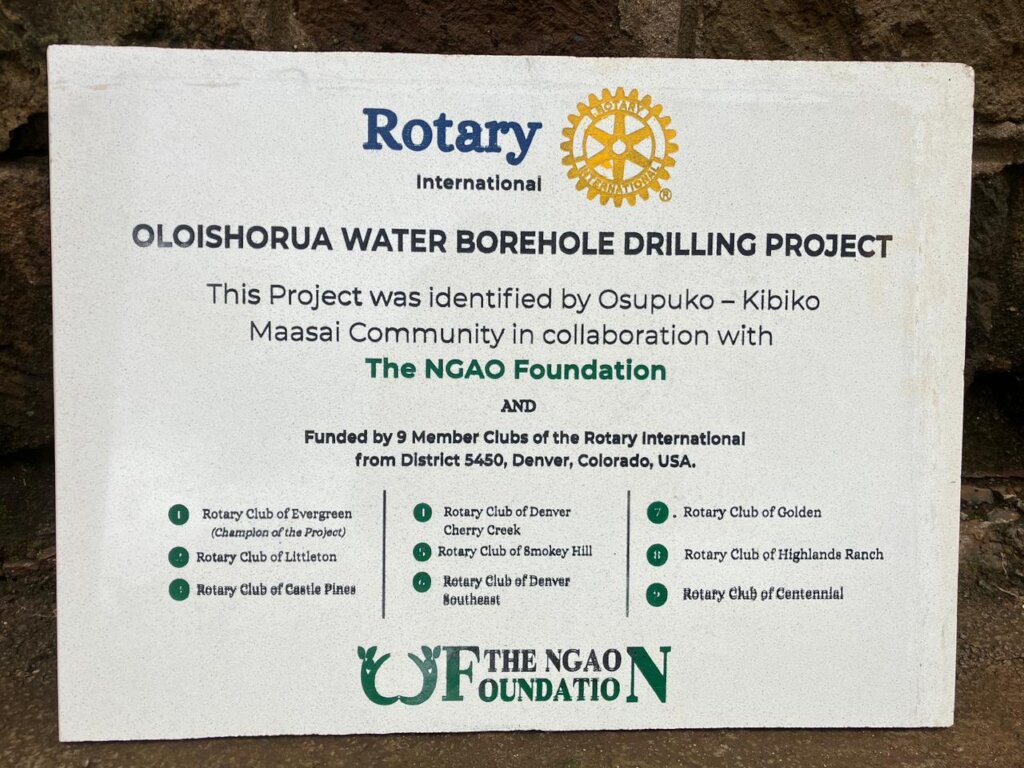
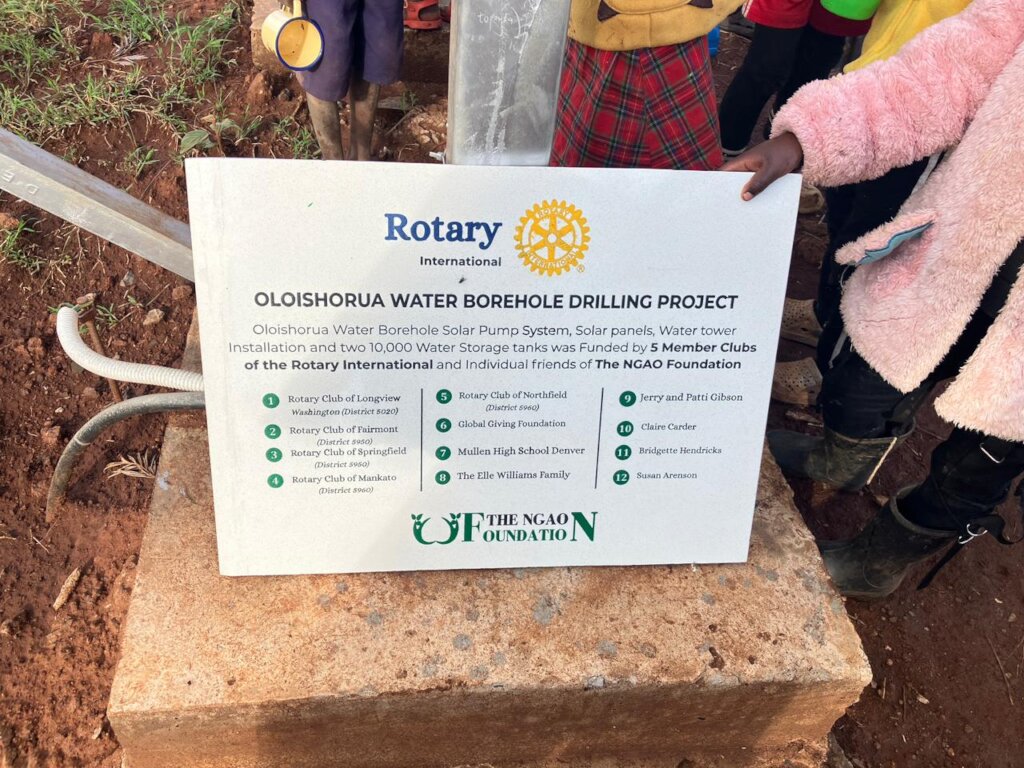
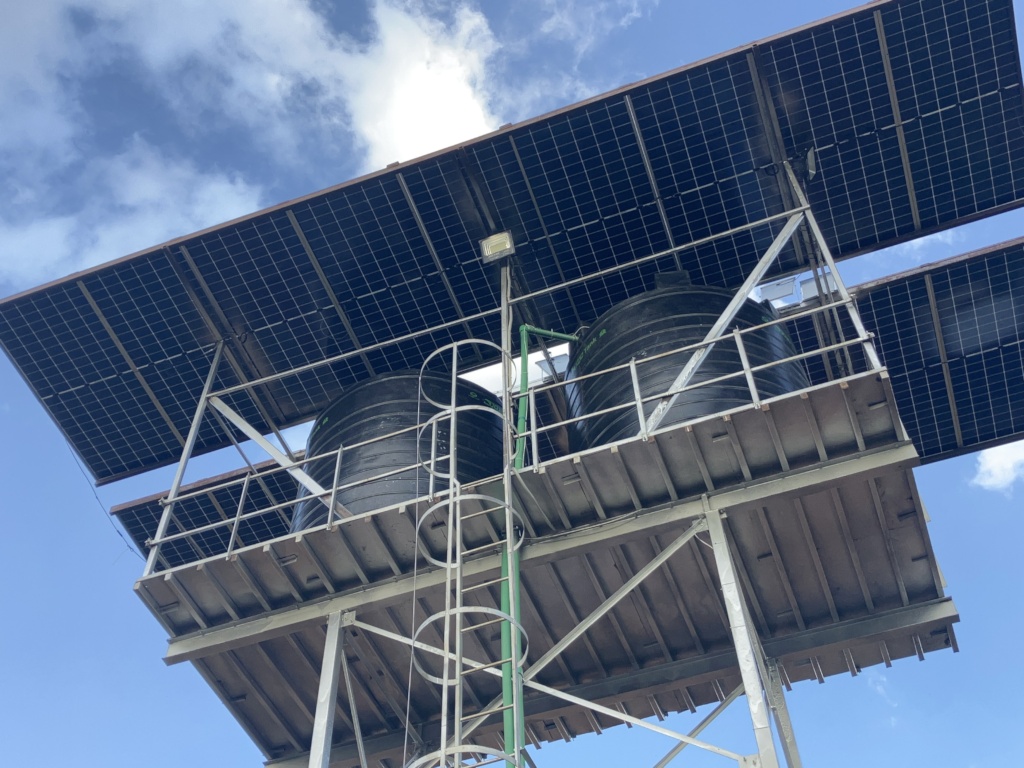
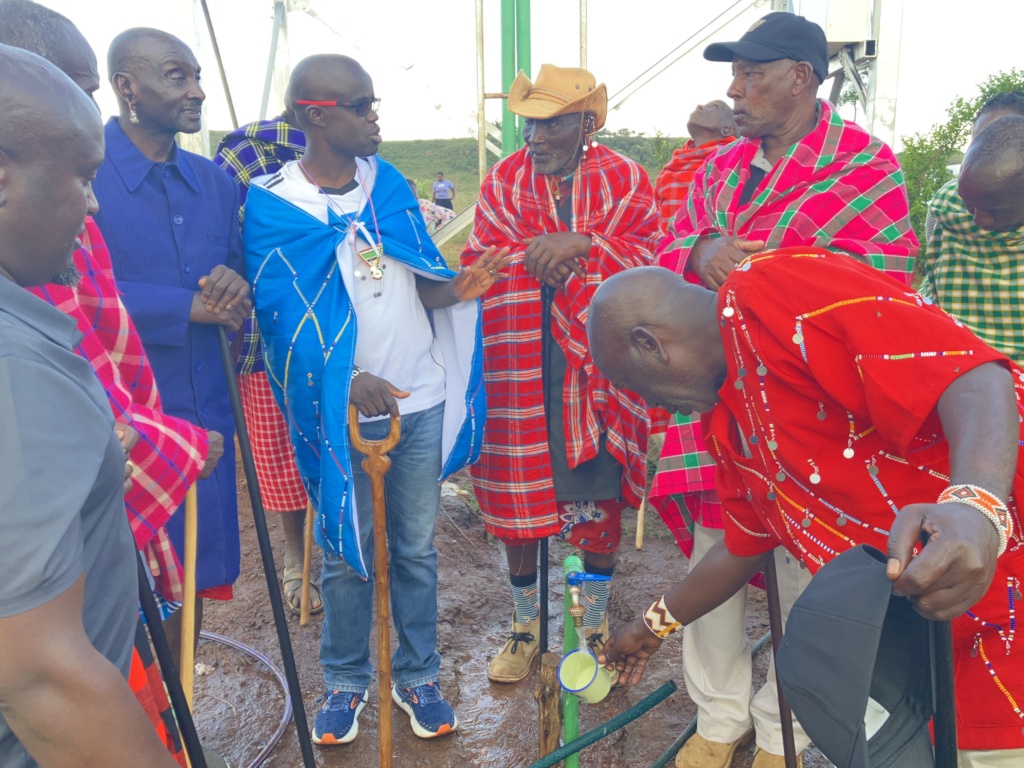
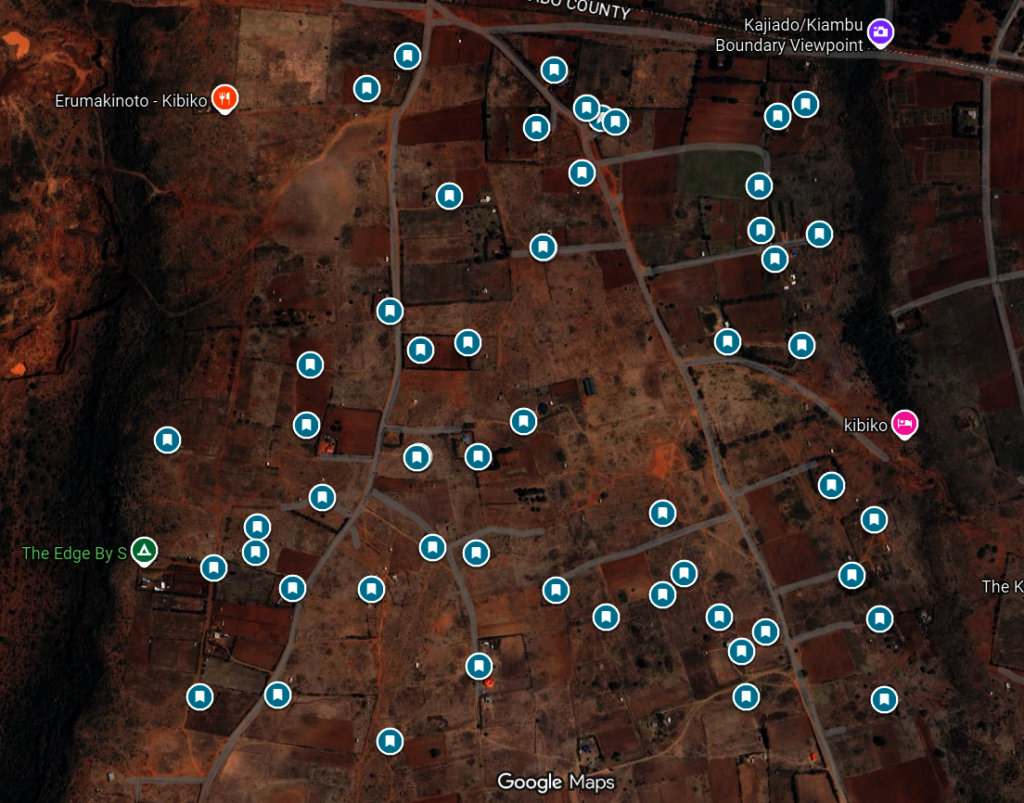
One of the most important components of our WASH work is the Oloishorua Solar Borehole and Piping Project in the Maasai community.
For communities facing difficulties accessing reliable water supplies, water closer to home can mean less time spent seeking water, greater opportunities for children to learn and play, improved household hygiene, and better conditions for growing food.
The project seeks to build on the established borehole infrastructure and advance the distribution system needed to extend water access to the community.
Progress During the Reporting Period
The project recorded the following milestones:
The active borehole provides an important foundation for the next stage of development. Completion of the pipeline mapping and measurements provides a basis for technical planning, preparation of a detailed bill of quantities, and fundraising for the required distribution infrastructure.
The fundraising video is intended to communicate the project's progress, outstanding needs, and anticipated benefits to prospective donors and partners.
What Remains to Be Done?
The next phase requires additional resources and careful technical preparation.
1. Funding for infrastructure
Financial support is needed for pipes, fittings, valves, metering equipment, and other components required to develop the distribution network.
2. Technical planning
The measured route of 8,661.2 metres requires appropriate pipe sizing, pressure management, and distribution planning to support an efficient and reliable system.
3. Installation and logistical costs
Transportation, excavation, installation labour, and associated infrastructure will contribute to the overall implementation cost.
Our Way Forward
The NGAO Foundation will continue developing the fundraising video and engaging donors, partners, and other stakeholders to mobilize the resources required for the next phase.
We will also continue refining the technical requirements and cost estimates so that fundraising efforts are guided by a clearer understanding of the infrastructure needed.
Dear donors, your support can help transform an active borehole into a more accessible community water supply. The next stage is about bringing the benefits of this water closer to the people who need it.
We look forward to working with you to make this vision a reality.
4. Community Training and Engagement: Water, Hygiene, and Dignity
Our WASH work goes beyond infrastructure. Water access becomes more meaningful when communities also have the knowledge, resources, and confidence to protect their health and dignity.
During the quarter, we conducted community-focused activities promoting personal hygiene, menstrual health and hygiene, preventive healthcare, and positive community participation.
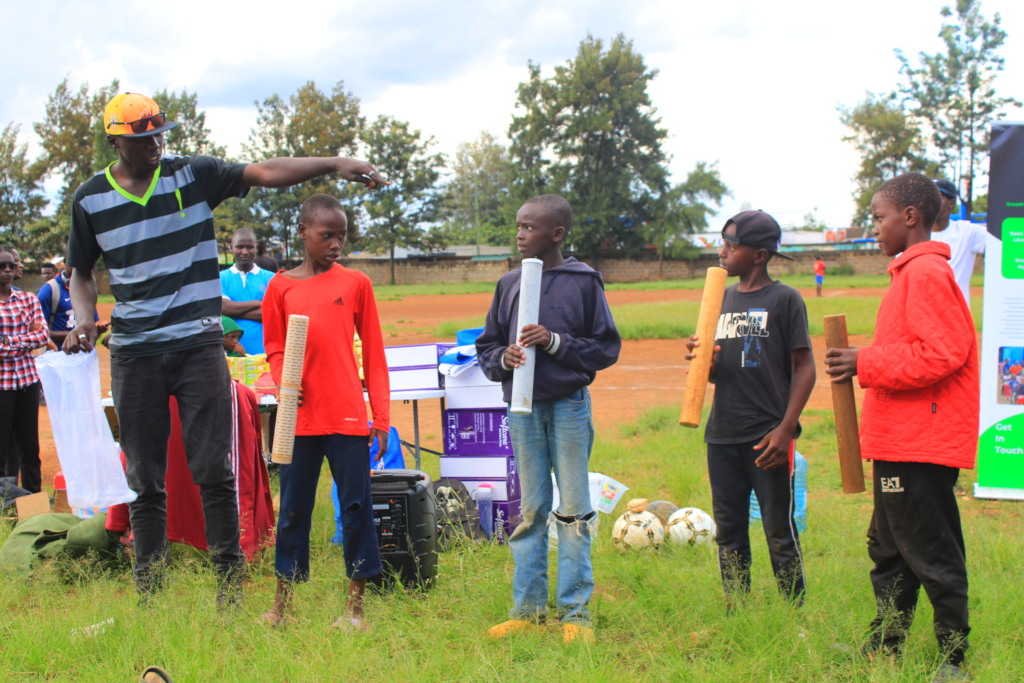
These interventions reached women, girls, children, and young people through targeted distributions, educational sessions, sports, and health screening services.
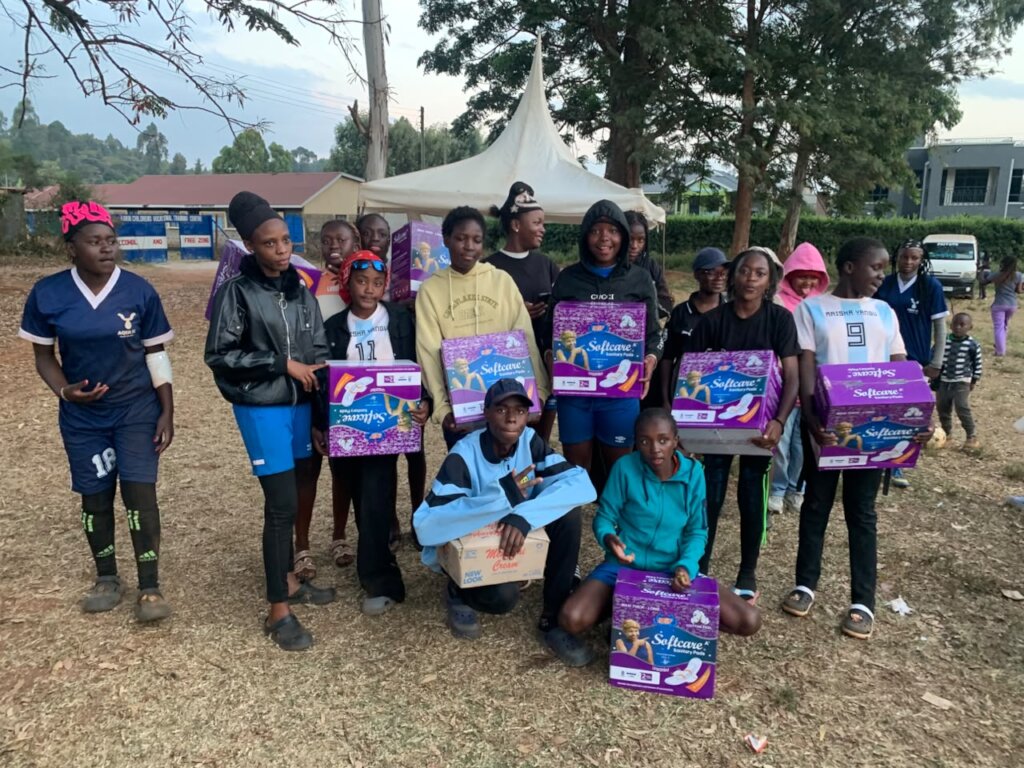
4.1 Menstrual Health Pack Distribution
The foundation distributed menstrual health packs to 241 women and girls, helping address practical menstrual hygiene needs and promote dignity and confidence.
For girls and women facing economic challenges, limited access to menstrual products can create difficulties in attending school, participating in community activities, and managing daily life comfortably.
Menstrual health support is therefore about more than providing products. It is about protecting dignity, encouraging participation, and ensuring that menstruation does not become a barrier to education or community life.
Challenges
Way Forward
The foundation will continue integrating menstrual health education into community outreach, engaging local partners to support the replenishment of supplies, and encouraging open, respectful conversations involving girls, women, boys, and men.
We aim to build a community where menstruation can be discussed with understanding and respect, and where girls and women have better access to the products and information they need.
4.2 Personal Hygiene Education for Children
During the Saturday program, we conducted a personal hygiene session for 31 children.
The session emphasized the importance of personal cleanliness and the development of healthy hygiene habits from an early age.
Children were encouraged to understand how everyday practices contribute to disease prevention, personal well-being, and a healthier community.
We believe that teaching children good hygiene practices is an investment that can benefit them throughout their lives. Children can also share what they learn with siblings, parents, and other members of their households, extending the reach of community education.
5. Kick It for WASH Tournament: Using Sport to Bring Communities Together
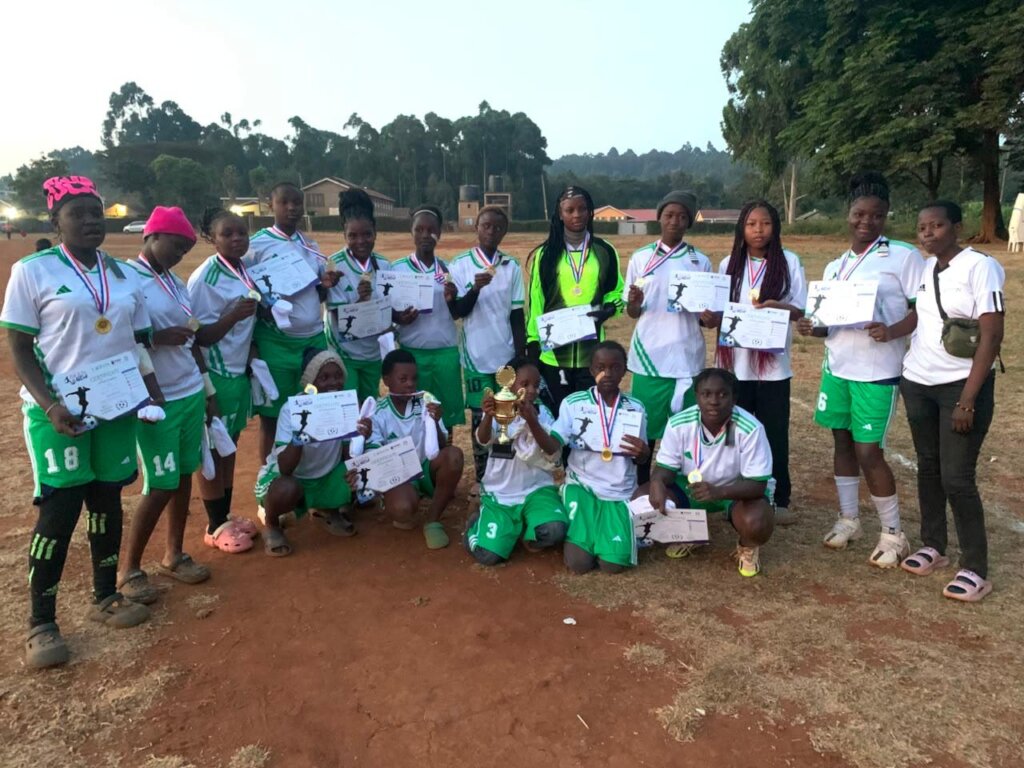
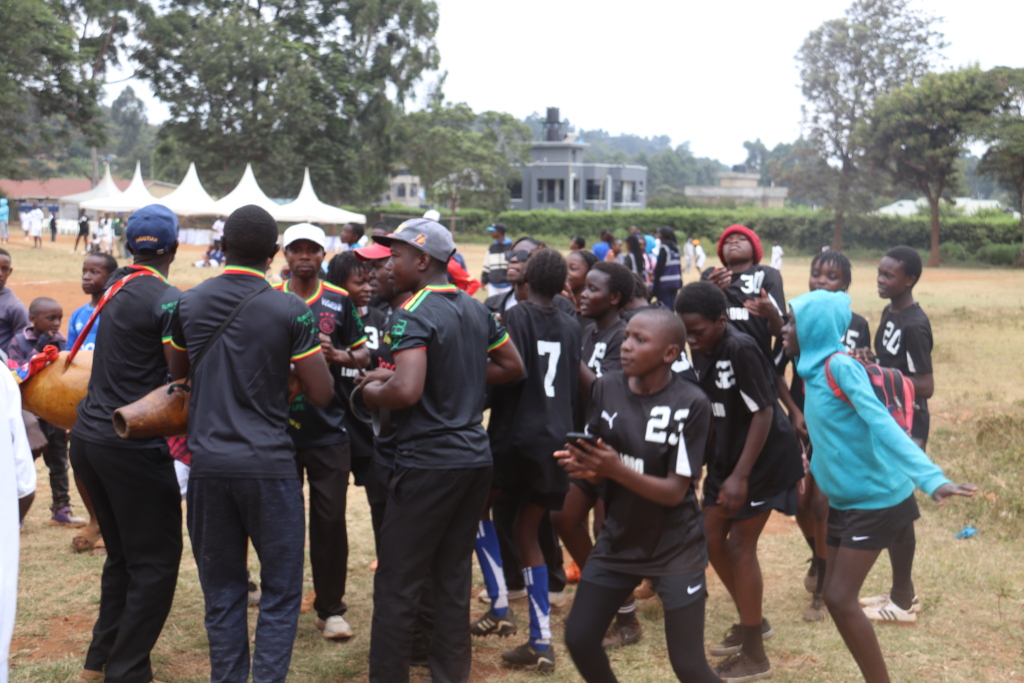
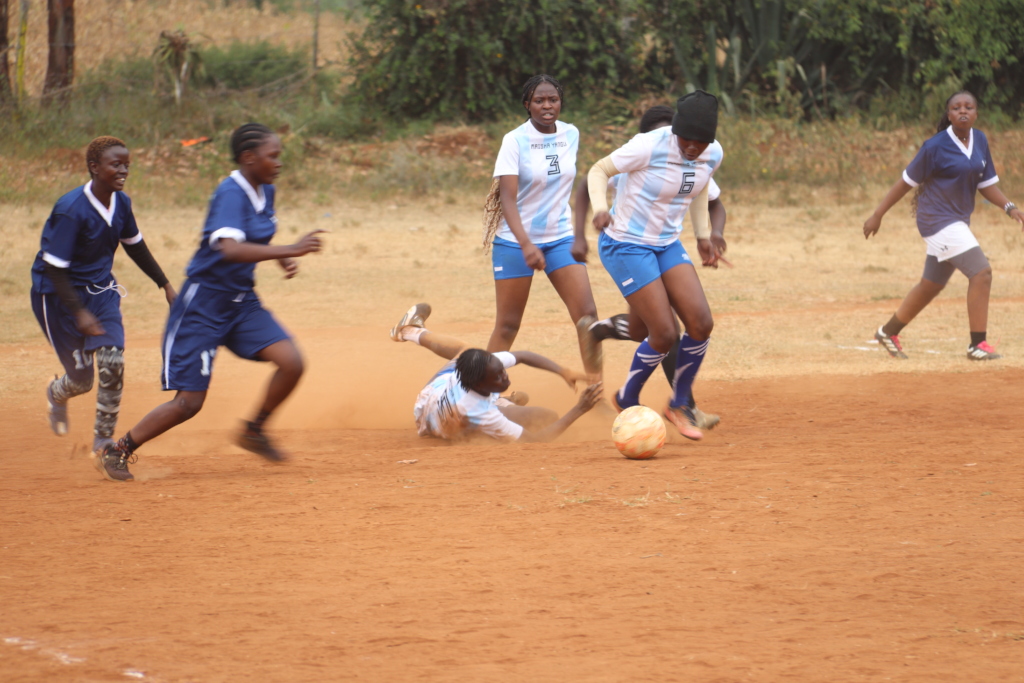
On August 8, 2026, The NGAO Foundation organized the Kick It for WASH Tournament at Karai Children's Center.
The tournament used football as a platform to bring young people and community members together around WASH education, menstrual health awareness, and access to selected health screening services.
The participating teams and groups included Omom FC from Kibiko, Friends of Love Kibera (FOLKS), The NGAO Foundation, and Karai FC as the host team, alongside the other participating teams represented at the tournament.
The event demonstrated how sport can create opportunities to connect with people, promote healthy living, and strengthen community relationships.
Celebrating the Teams
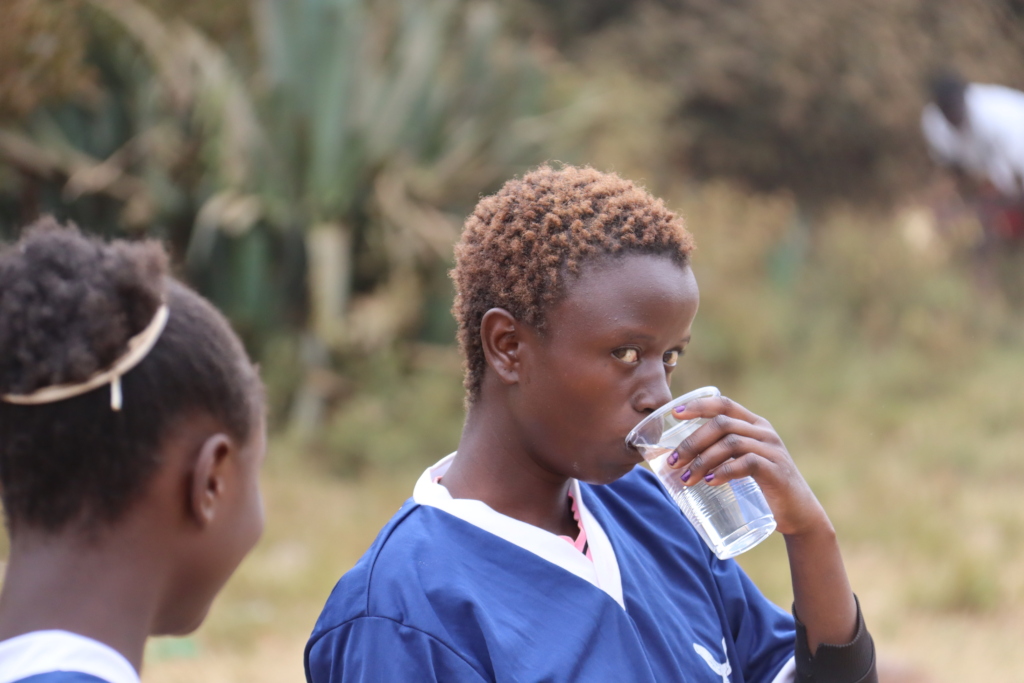
We congratulate both teams and celebrate every young person who participated. Their involvement demonstrated the power of sport to build teamwork, confidence, discipline, and positive community relationships.
Menstrual Health and Hygiene Education
Vivian and Ani Mason facilitated a menstrual health and hygiene education session during the event.
This session created an opportunity to address menstrual health needs and promote greater understanding of the importance of hygiene, dignity, and inclusion.
By bringing education into a sporting environment, the tournament helped make important health messages more accessible to participants and spectators.
Why Kick It for WASH Matters
The tournament advanced two important priorities:
Lessons and Opportunities for Improvement
A busy tournament schedule can limit the time available for detailed WASH and menstrual health discussions. In addition, a single event may raise awareness, but sustained behaviour change requires repeated engagement and reinforcement.
Going forward, the foundation will seek opportunities to integrate more structured education sessions into sporting events and strengthen follow-up activities that reinforce the lessons shared.
The tournament reminded us that community development is not only about infrastructure. It is also about relationships, participation, knowledge, and a shared commitment to improving lives.
6. Our Progress at a Glance
The following figures highlight selected activities and milestones recorded during the reporting period.
Activity or milestone
Reported achievement
Water refill and distribution
927 recorded units
Oloishorua pipeline route measured
8,661.2 metres
Women and girls receiving menstrual health packs
241
Children participating in personal hygiene education
31
Community members attending Kick It for WASH
600+
Players participating in the tournament
150
Community members screened for minor illnesses
67
Eye screenings conducted
37
These figures represent different aspects of our work: water services, infrastructure preparation, health education, access to menstrual products, and community engagement.
They also remind us that meaningful WASH progress requires both practical investment and sustained community participation.
7. The Difference Your Donation Makes
Dear GlobalGiving donors, every contribution you make helps bring us closer to a community where access to safe water, proper hygiene, and health education is increasingly within reach.
Your support helps sustain water distribution activities and build awareness of the importance of safe drinking water. It enables us to continue planning and fundraising for the infrastructure needed to extend water access at Oloishorua. It also supports community initiatives that promote menstrual dignity, teach children healthy hygiene habits, and connect families with health information and screening opportunities.
Consider what water can mean to a family: a safer source for drinking, a better opportunity to maintain hygiene, and the possibility of spending less time searching for water. Consider what menstrual health support can mean to a girl who wants to attend school and participate confidently in her community. Consider what a child learns when they understand that washing their hands, caring for their surroundings, and using safe water can help protect their health.
These are connected parts of a healthier, more dignified life.
Our work is not complete, and we do not claim that every challenge has been resolved. The pipeline still needs funding and installation, water distribution requires continued improvement, and hygiene education must be reinforced over time.
But progress is possible because people like you have chosen to act.
Your donation matters because it helps turn shared concern into practical action. Your generosity helps us bring water, knowledge, dignity, and hope closer to the people who need them.
We are profoundly grateful that you have chosen to walk with us.
8. Challenges and Continuing Needs
Despite the progress made, several challenges require continued attention:
These challenges represent opportunities for collaboration. By bringing together donors, community members, technical partners, and local stakeholders, we can build on the progress already achieved and strengthen the sustainability of our work.
9. Priorities for the Next Quarter
In the coming months, The NGAO Foundation will focus on:
Our priority is to build on existing achievements while mobilizing the resources and partnerships necessary to expand our reach and strengthen long-term impact.
10. Contribution to the Sustainable Development Goals
Our activities contribute to several United Nations Sustainable Development Goals:
These connections reflect our understanding that water, sanitation, health, education, and equality are closely linked. Progress in one area can help create opportunities in others.
11. Conclusion: Water in the Community for Life
The June–September 2026 reporting period demonstrated The NGAO Foundation's continued commitment to improving community well-being through water services, infrastructure development, hygiene education, menstrual health support, and community outreach.
We strengthened our water distribution activities, completed pipeline mapping and measurements for the Oloishorua project, distributed menstrual health packs to 241 women and girls, conducted hygiene education for 31 children, and brought community members together through the Kick It for WASH Tournament.
These achievements are important steps, but they are also reminders of the work that remains. The Oloishorua community still needs the resources required to develop its water distribution network, and our education and outreach activities need continued support to sustain their benefits.
We remain hopeful because we have seen what can happen when people choose to work together. Your generosity has helped us turn our commitment into action, and your continued partnership can help us take the next steps.
To our GlobalGiving donors, thank you for believing in our mission. Thank you for choosing The NGAO Foundation among many worthy causes. Thank you for understanding that water is not simply a resource—it is life, health, dignity, and opportunity.
It takes everyone to make a difference. Communities bring their participation, our team brings its commitment, and donors like you help make the necessary resources available.
Together, we can help bring water closer to families, strengthen healthy practices, promote dignity, and create better opportunities for children and future generations.
Let us continue working together to make safe water and good hygiene a reality for more people.
Water in the Community for Life. Together, we make the difference.
By Anthony Richard Hulula | Director/Project Leader
By Anthony Hulula | Director/Project Leader
Project reports on GlobalGiving are posted directly to globalgiving.org by Project Leaders as they are completed, generally every 3-4 months. To protect the integrity of these documents, GlobalGiving does not alter them; therefore you may find some language or formatting issues.
If you donate to this project or have donated to this project, you can receive an email when this project posts a report. You can also subscribe for reports without donating.


Support this important cause by creating a personalized fundraising page.
Start a Fundraiser