By Barbara S. Rosasco | Secretary & Treasurer
Setting the stage for this report...
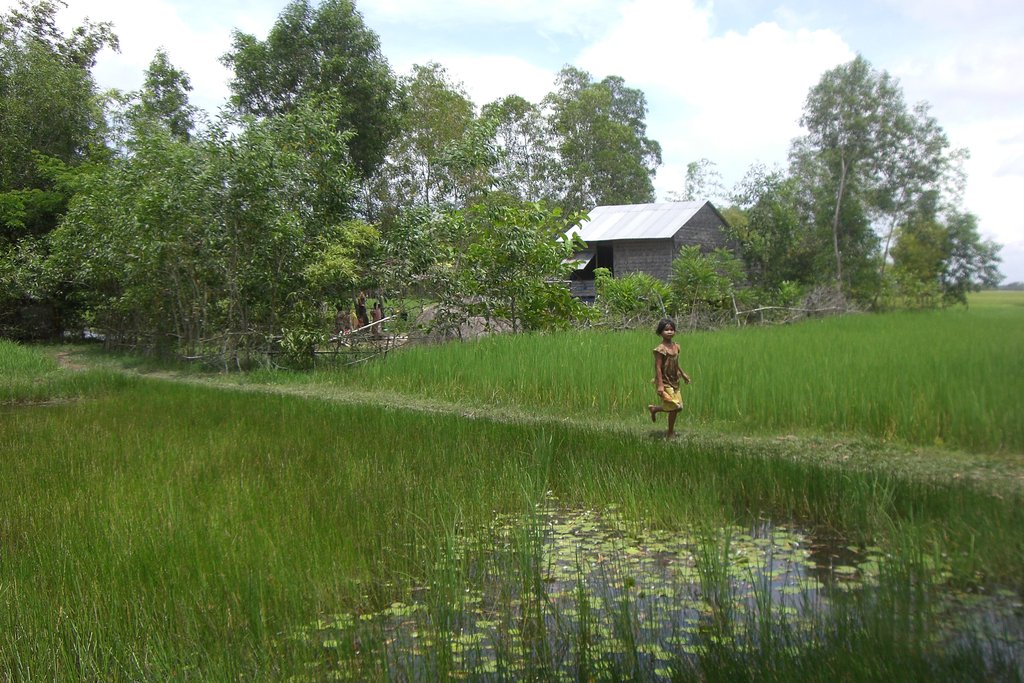
Last September, Mark met with our long time local friends and "development partner" to continue discussions on how to provide economic opportunities to our farmers in this remote area of Cambodia.
Once such possible collaboration involved a small "moringa" processing and distribution company in Phnom Penh. The general idea was that the moringa company could make a contract with our farmers to purchase a certain quantity of moringa leaves each month. Moringa leaves are a very popular dietary supplement in many countries and regions of the world. Moringa contains proteins, vitamins, and minerals. As an antioxidant, it is thought to potentially help protect cells from damage.
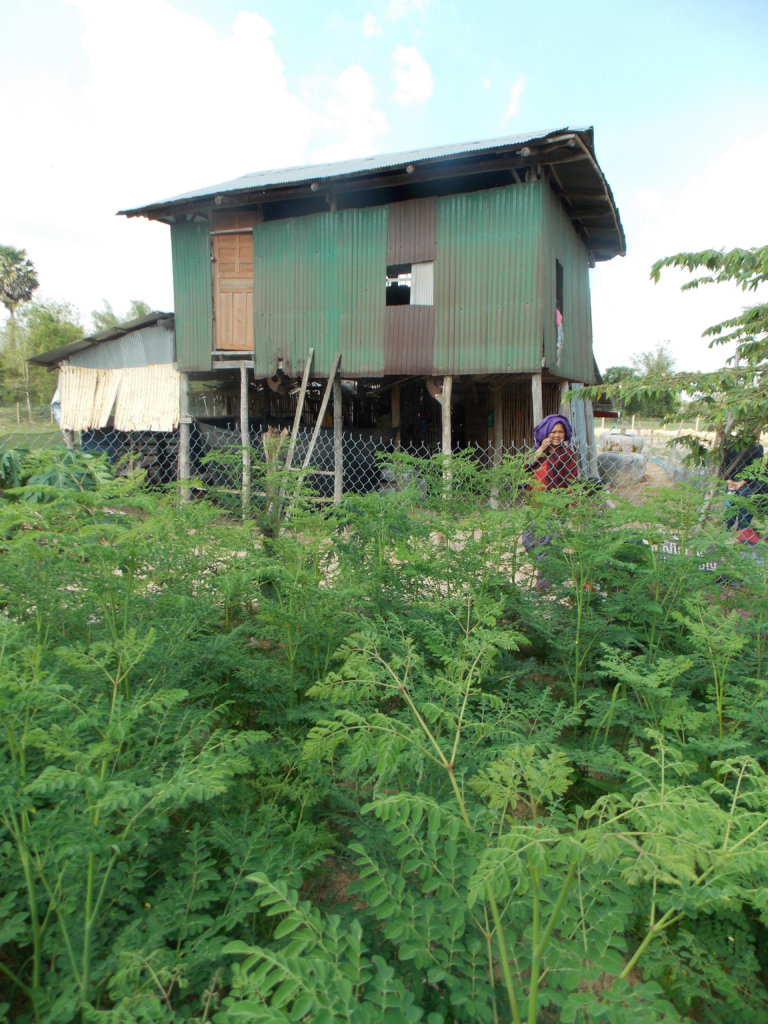
With a guaranteed market for their harvest and sustainable access to water from wells which we could possibly provide, our farmers and others could plant moringa seedlings around their homesteads, adding moringa as an additional crop to the traditional annual rainy season rice crop that is the mainstay of farming in Prey Veng. Organically grown moringa leaves are in high demand, so farmers can get a boost to cash incomes while further diversifying away from dependence on a single crop of rice.
Where we are now
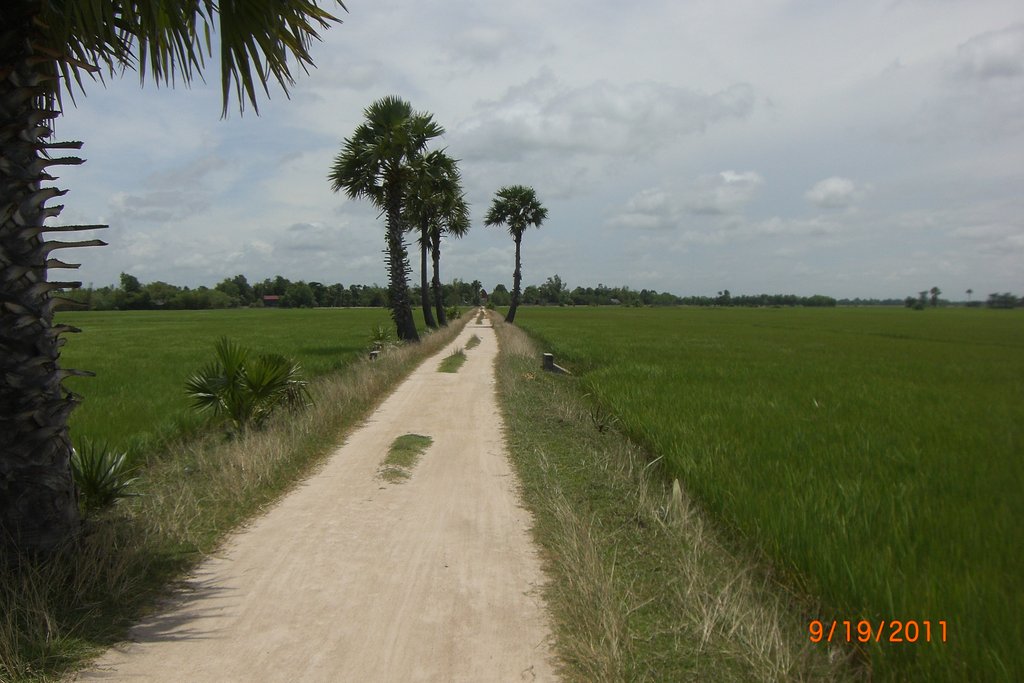
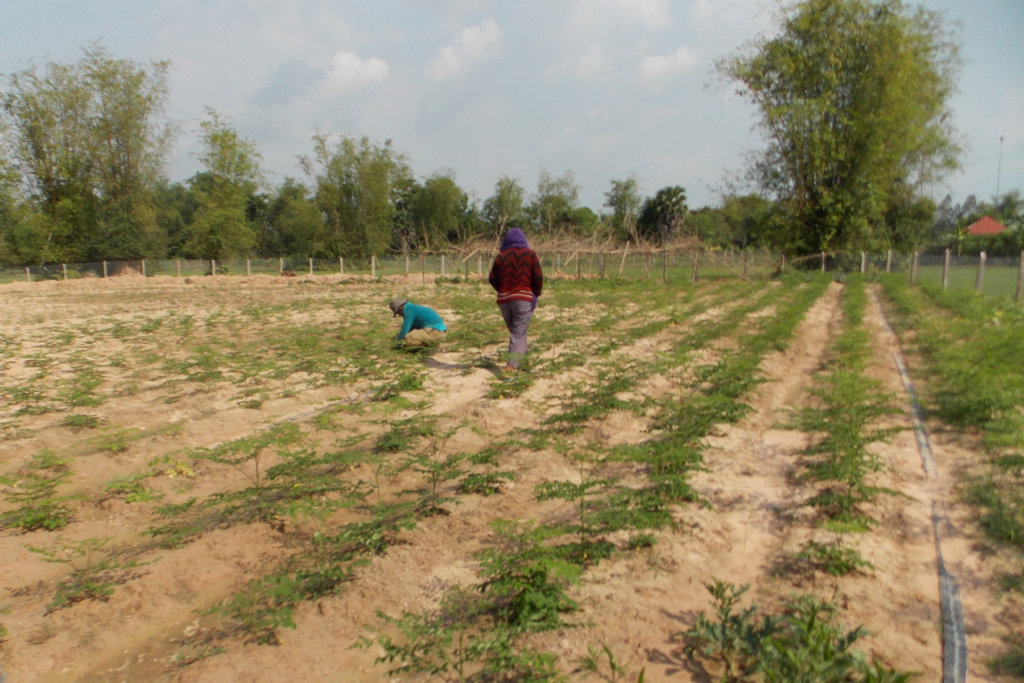
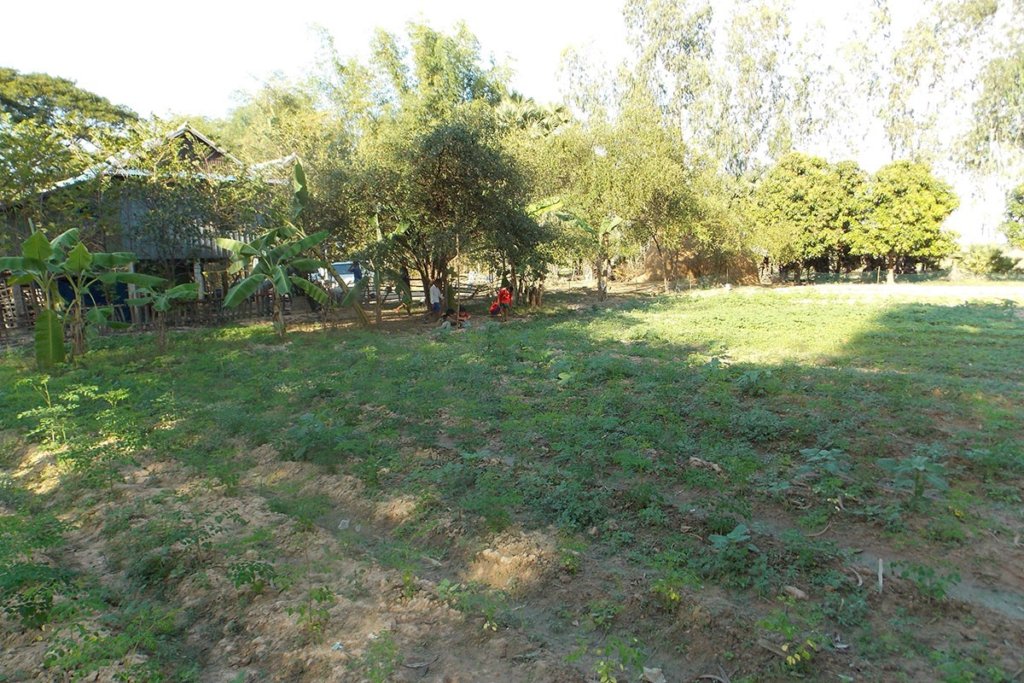
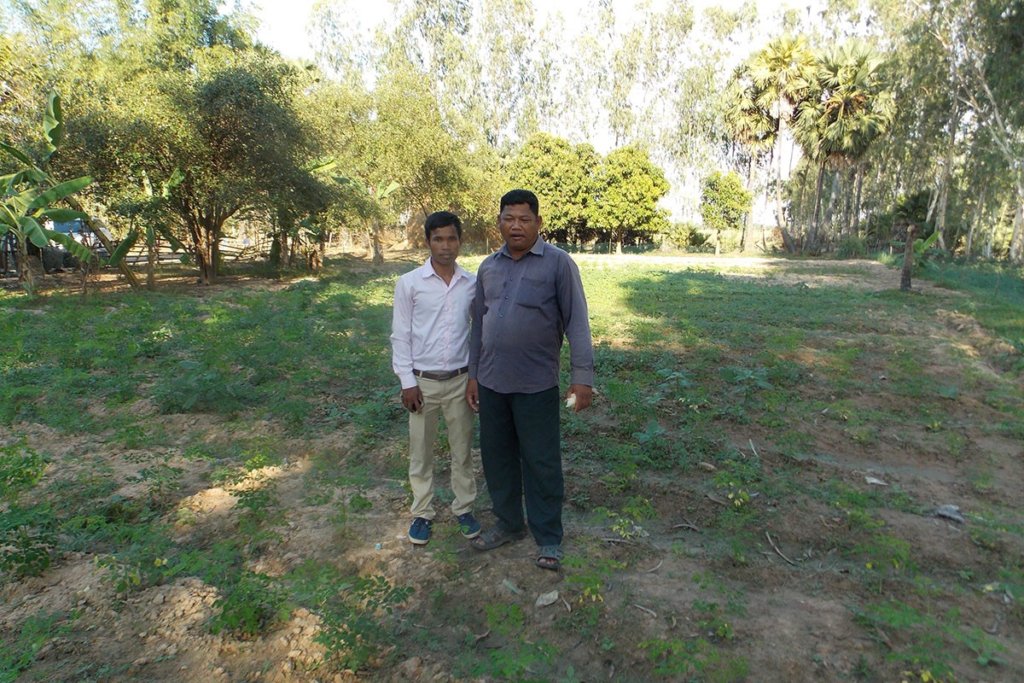
The pilot program has been started in Baphnom and Preah Sdach, two of the three districts in our target area in rural Prey Veng Province. Most farmers are in Preah Sdach.
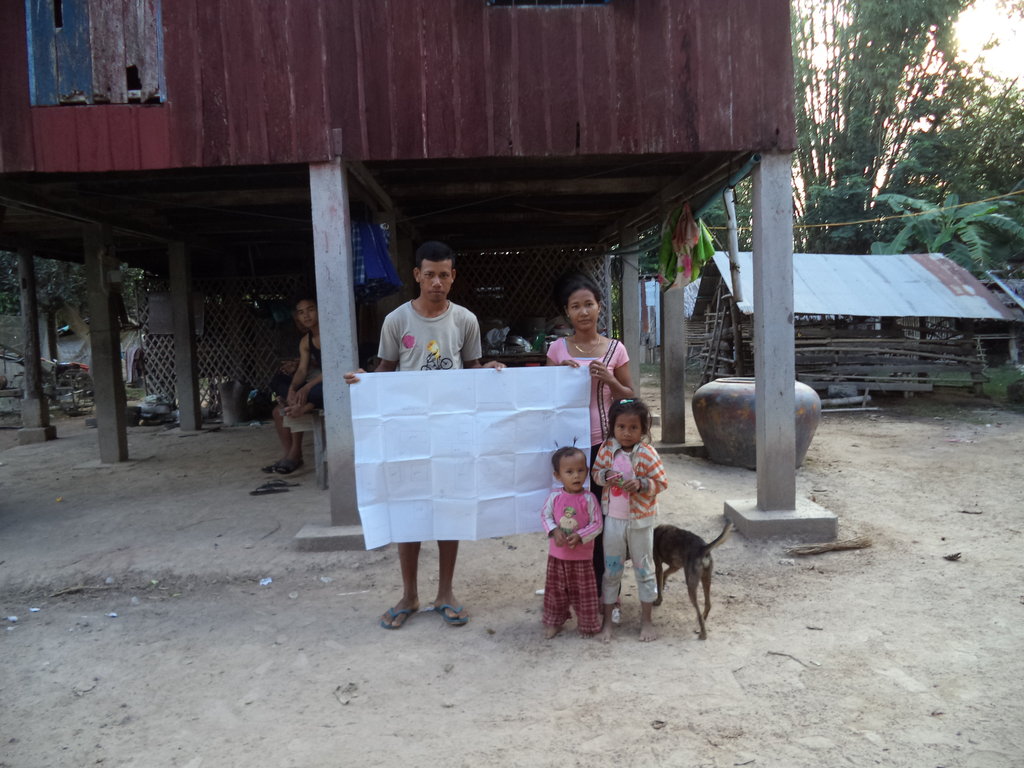
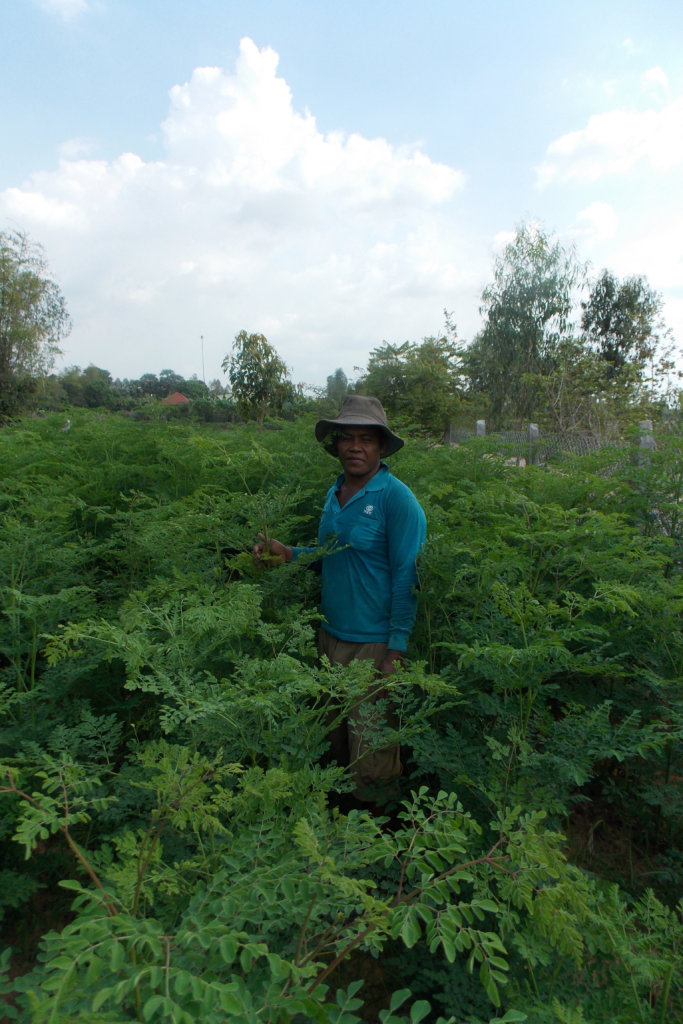
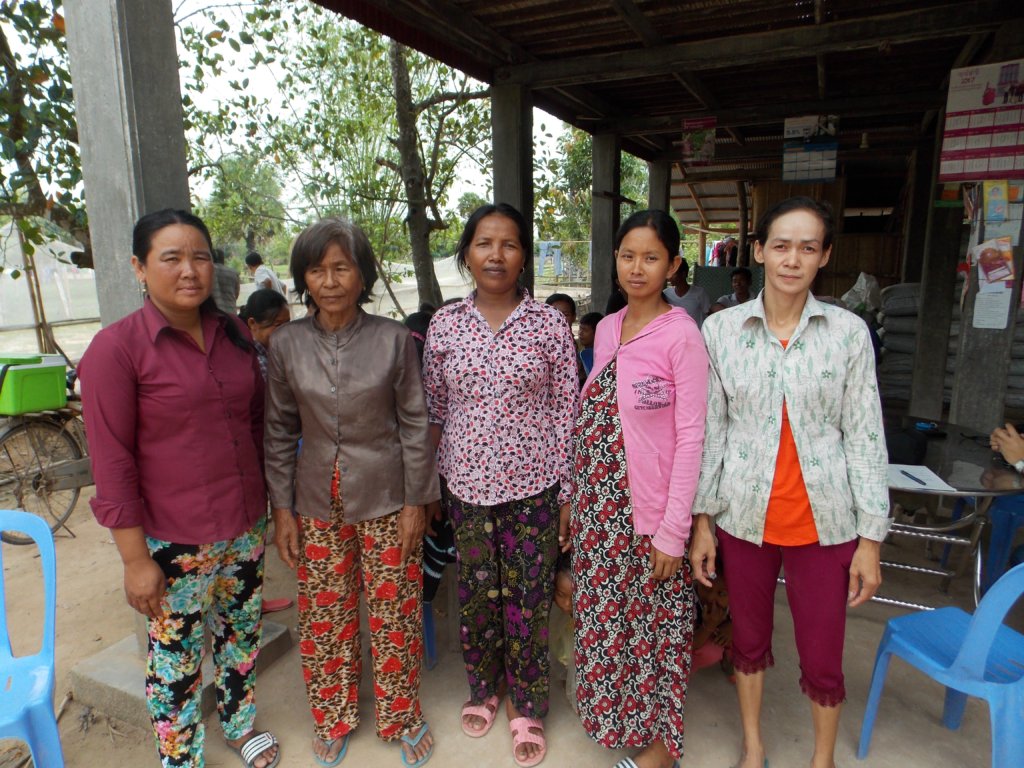
Our initial group was 50 farmers, including a group of 18 women farmers. The average age of the women is 44 and the average area cultivated with moringa is 910 square meters. One moringa plant requires about 1 square meter of space. The harvest from the approximate 900 plants will have a material impact on their cash income.
Moringa plants require at least 3 months to mature from planting of the seeds to first harvest opportunity and can be pruned ( harvested) about every 30 days.
The harvest process
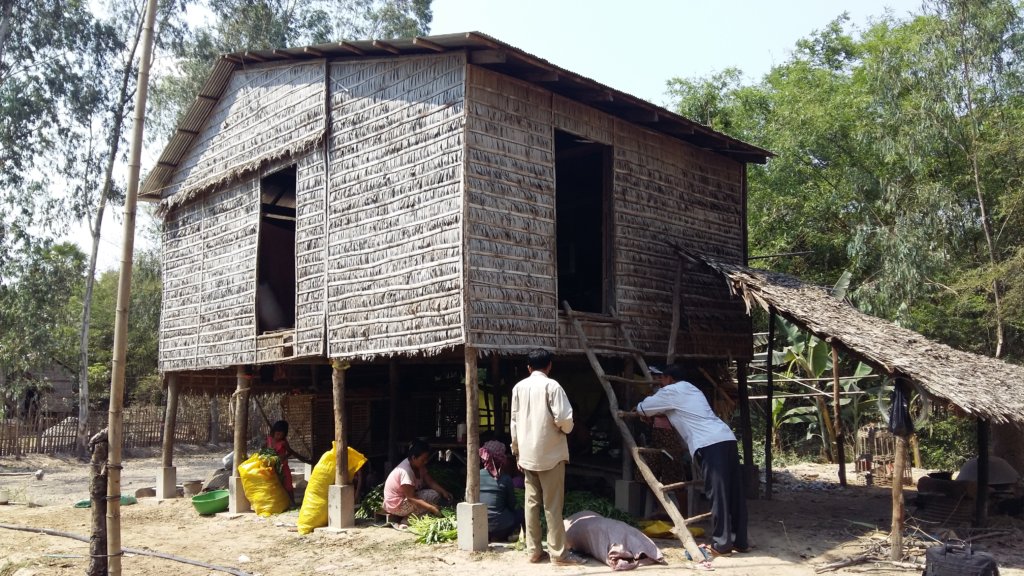
Farmers must rise early, around 4:00 am, in order to prune their moringa bushes and then collect and deliver the leaves to a pre-arranged pick up point by 6:30am. At this early stage, our team is using a pick up truck to transport the leaves from the countryside to Phnom Penh. The leaves must be kept cool or they will spoil so they are packed in ice and covered with wet blankets for the three hour drive to the city.
Harvest progress
As of late April/early May, our 50 farmers have harvested 1233 kilograms ( 2712.6 lbs) of moringa leaves, with initial yields per plant of approximately 0.3 kg ( 10.56 ounces per plant). This matches the projections we made during planting last year. As moringa bushes grow larger, we expect the yield from each pruning ( harvest) to reach 1.5 to 2.2 kg per bush ( 3.3 to 4.84 pounds).
Income and projections
Farmers receive 1,000 riel – about U.S. $0.25 per kilo ( about 11.3 cents per pound) of leaves.
The contract for this year calls for our group of 50 farmers to produce 500kg (1100 pounds) per day, a daily average of 10 kg per farmer (22 pounds). Our processor, with whom we have a 5 year contract, believes that he may be able to increase the contract purchase to amount to 1000kg to 1500kg ( 2200 to 3300 pounds) per day next year due to increased commercial demand by an NGO in Taiwan who wants to process the plants into nutritional supplement capsules and distribute them to the poor in Africa.
When we first began our Rural Assistance Program in 1999, most of the population in our target area in Prey Veng province lived in extreme poverty with no access to reliable water. Consequently, most farmers abandoned their fields during the long annual dry season to work onstruction as $ 1.00 per day laborers in Phnom Penh. Over the years, our efforts have enabled the drilling of more than 500 water wells benefiting our farmers and surrounding families , which beyond simply improving the quality of life , allowed our farmers to plant small vegetable plots as a cash crop and begin to diversify from a single rice crop.
For nearly all of our farmers, this moringa cultivation program will provide a steady and significant cash income for the first time in their lives. We are excited and hopeful about this opportunity to provide real improvement to the lives of our farmers and their families.
Next year we hope to build on the success of this pilot program by extending moringa cultivation efforts to include more farmers in Baphnom District where farms are smaller than in Preah Sdach and where, consequently the farmers are much poorer.
A call to action !
We are deeply grateful for the financial support by our donors which has helped us to bring our pilot program forward. Last year we committed to drill 10 new wells ( $ 280 per well) to enable 10 more farmers participate in our pilot project, but to date, we have only raised money to drill 5 of these 10 wells. Without access to water, we have 5 farmers who wish to participate but who cannot without access to water. As our program moves forward, we also need funds to provide the training and supervision that allows this program to support our farmers. We hope that you will share our story with your friends and families to build our base of support. This program is off to a great start and we want to continue and expand upon its initial success.
Barbara & Mark Rosasco
Links:
By Barbara Rosasco | Secretary & Treasurer
By Barbara Rosasco | Secretary & Treasurer
Project reports on GlobalGiving are posted directly to globalgiving.org by Project Leaders as they are completed, generally every 3-4 months. To protect the integrity of these documents, GlobalGiving does not alter them; therefore you may find some language or formatting issues.
If you donate to this project or have donated to this project, you can receive an email when this project posts a report. You can also subscribe for reports without donating.